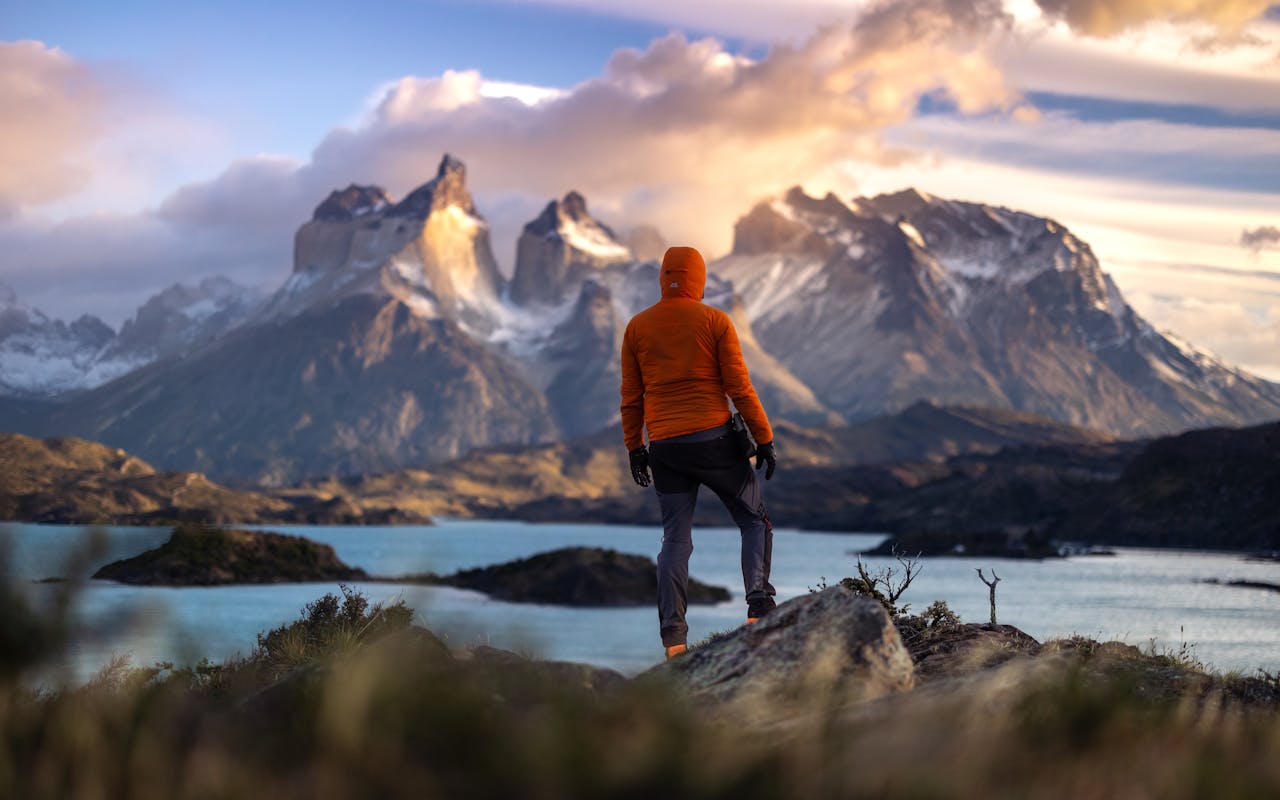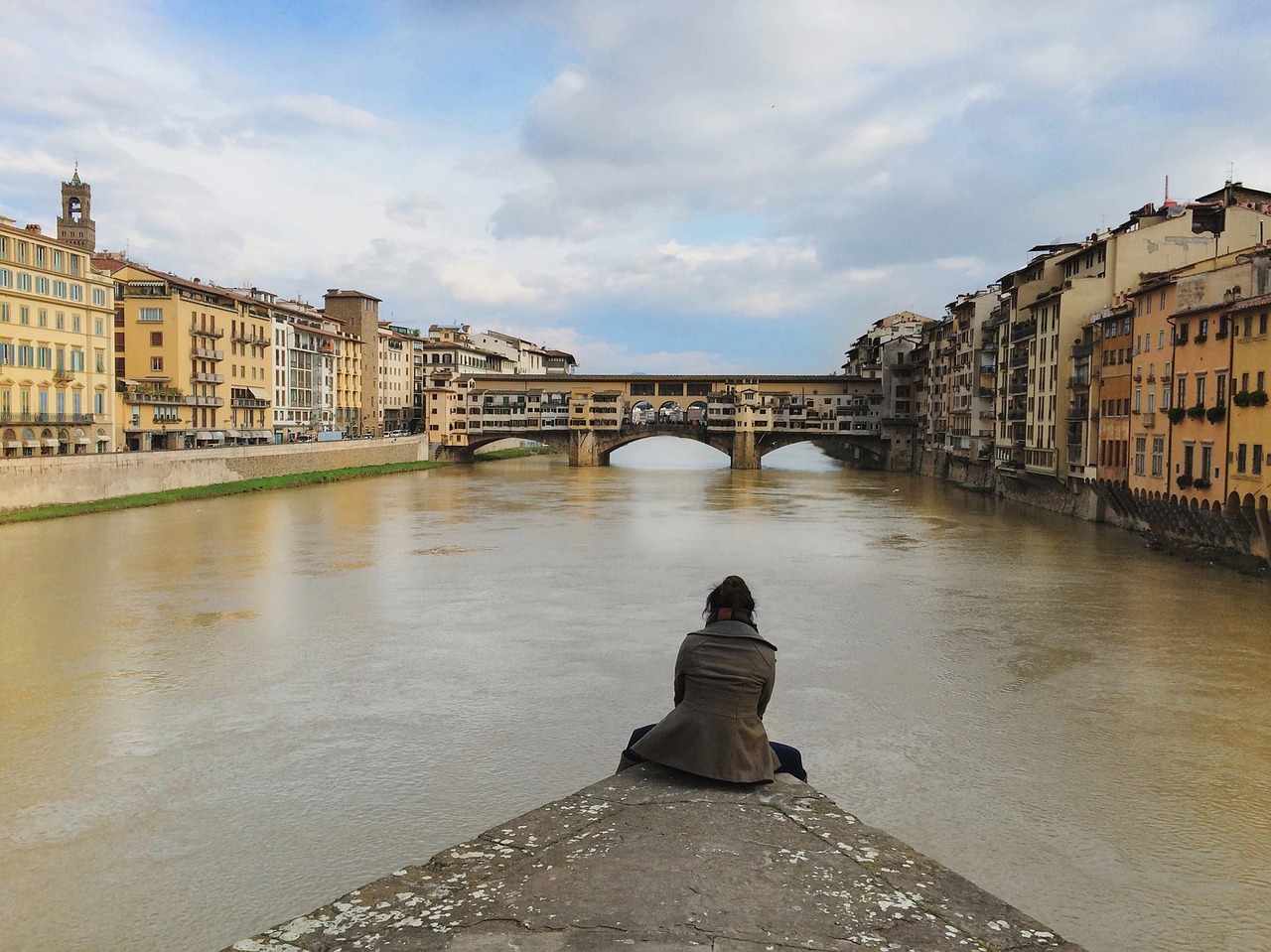
Traveling alone is often misunderstood. Many people believe solo trips are lonely, risky, or uncomfortable. In reality, solo travel is one of the most empowering and life-changing experiences a person can have. It pushes you beyond comfort zones, opens your mind, and helps you build a deeper connection with yourself and the world around you.
In an increasingly fast-paced and connected world, taking a solo trip even once in your life can redefine how you think, feel, and grow. Whether you’re traveling across continents or exploring a nearby city alone, the lessons learned are powerful and unforgettable.
This article explores why everyone should take a solo trip at least once, regardless of age, background, or travel experience.
What Is Solo Travel Really About?
Solo travel doesn’t mean being isolated or disconnected. It means traveling independently, making your own decisions, and experiencing the world on your terms. It allows you to explore without compromise—choosing your pace, destinations, and priorities freely.
Solo travel is about:
- Self-discovery
- Independence
- Confidence
- Freedom
- Growth
And these benefits extend far beyond the journey itself.
1. You Discover Who You Truly Are
When you travel alone, there’s no one else influencing your choices. You decide where to go, what to eat, how long to stay, and what experiences matter most.
Without familiar routines or expectations, you begin to understand:
- What excites you
- What scares you
- How you handle challenges
- What brings you peace
This self-awareness is one of the most valuable outcomes of solo travel.
2. Solo Travel Builds Confidence and Independence
Navigating airports, new cities, different cultures, and unfamiliar languages on your own strengthens your problem-solving skills. Every small win finding your hotel, ordering food, catching the right bus builds confidence.
You learn to trust yourself, make decisions independently, and adapt quickly. This confidence often carries into everyday life, helping you handle challenges with greater ease.
3. You Meet More People When You Travel Alone
Ironically, solo travelers often meet more people than those traveling in groups. When you’re alone, you’re more approachable, open, and curious.
You’ll find yourself:
- Talking to locals
- Connecting with fellow travelers
- Making friends in hostels, cafés, and tours
- Sharing stories with people from different cultures
Many lifelong friendships are born from solo journeys.
4. Freedom to Travel at Your Own Pace
One of the biggest joys of solo travel is complete freedom. You don’t have to:
- Follow someone else’s schedule
- Compromise on destinations
- Rush experiences
- Skip things you enjoy
You can wake up late, explore slowly, change plans, or sit quietly in a café for hours. This freedom allows for deeper, more meaningful travel experiences.
5. You Step Outside Your Comfort Zone
Solo travel naturally pushes you into unfamiliar situations. Whether it’s navigating a foreign transport system, trying new food, or staying in a new environment, you grow with every experience.
Stepping outside your comfort zone helps you:
- Overcome fears
- Become more adaptable
- Gain emotional strength
- Develop resilience
Growth happens when comfort ends and solo travel makes that happen naturally.
6. You Learn to Enjoy Your Own Company
Many people struggle with being alone. Solo travel teaches you how to enjoy solitude without loneliness.
You learn to:
- Appreciate silence
- Reflect on your life
- Be present in the moment
- Feel content without distractions
This emotional independence is deeply empowering.
7. You Gain a Broader Perspective on Life
Traveling alone allows you to observe the world more deeply. You notice cultural differences, daily routines, values, and ways of life that challenge your existing beliefs.
Solo travel teaches:
- Empathy
- Cultural understanding
- Gratitude
- Open-mindedness
You return home with a broader worldview and a deeper appreciation for diversity.
8. It Improves Mental Health and Clarity
Time alone in a new environment can be incredibly healing. Being away from daily responsibilities allows your mind to slow down.
Solo travel helps:
- Reduce stress
- Improve mental clarity
- Encourage mindfulness
- Provide emotional healing
Many travelers describe solo trips as deeply therapeutic.
9. You Become More Adaptable and Resilient
Things don’t always go as planned when traveling alone and that’s a good thing. Missed trains, language barriers, or unexpected changes teach you how to stay calm and flexible.
These experiences build:
- Emotional resilience
- Problem-solving skills
- Patience
- Confidence in uncertainty
Life feels more manageable after you’ve handled travel challenges alone.
Solo Travel vs Group Travel
Table: Solo Travel vs Traveling With Others
| Aspect | Solo Travel | Group Travel |
|---|---|---|
| Freedom | Complete flexibility | Shared decisions |
| Personal growth | Very high | Moderate |
| Social interaction | Meet new people | Mostly known people |
| Pace | Your own | Group-dependent |
| Self-confidence | Strongly boosted | Less impact |
| Comfort zone | Constant growth | Familiar & safe |
Is Solo Travel Safe?
Yes, solo travel is generally safe when done responsibly. Millions of people travel alone every year.
Basic safety tips include:
- Research destinations beforehand
- Stay in well-reviewed accommodations
- Share your itinerary with someone
- Trust your instincts
- Avoid risky situations
With awareness and preparation, solo travel is both safe and rewarding.
Best Destinations for First-Time Solo Travelers
- Japan
- Portugal
- Thailand
- New Zealand
- Canada
- Netherlands
- Bali
- Vietnam
These destinations are known for safety, friendly locals, and ease of travel.
Conclusion
A solo trip is more than just a vacation it’s a journey into independence, confidence, and self-discovery. Traveling alone teaches you how strong, capable, and adaptable you truly are. It helps you understand the world and yourself in ways that group travel never can.
Everyone, at least once in their lifetime, should experience the freedom of solo travel. Whether it’s for a weekend or several months, that journey will stay with you forever shaping how you see life, relationships, and yourself.
So pack your bags, trust the journey, and take that solo trip. You’ll return changed in the best possible way.
Frequently Asked Questions (FAQs)
1. Is solo travel only for young people?
No. Solo travel is for all ages. People travel alone in their 20s, 40s, 60s, and beyond.
2. Is solo travel expensive?
Not necessarily. Solo travelers often control their budgets better and can travel cheaply with hostels, public transport, and budget flights.
3. How long should a first solo trip be?
A short trip of 3-7 days is ideal for beginners to build confidence.
4. Will I feel lonely while traveling alone?
Loneliness is rare. Solo travelers often meet more people than group travelers.
5. What is the biggest benefit of solo travel?
Self-confidence and personal growth are the biggest long-term benefits.